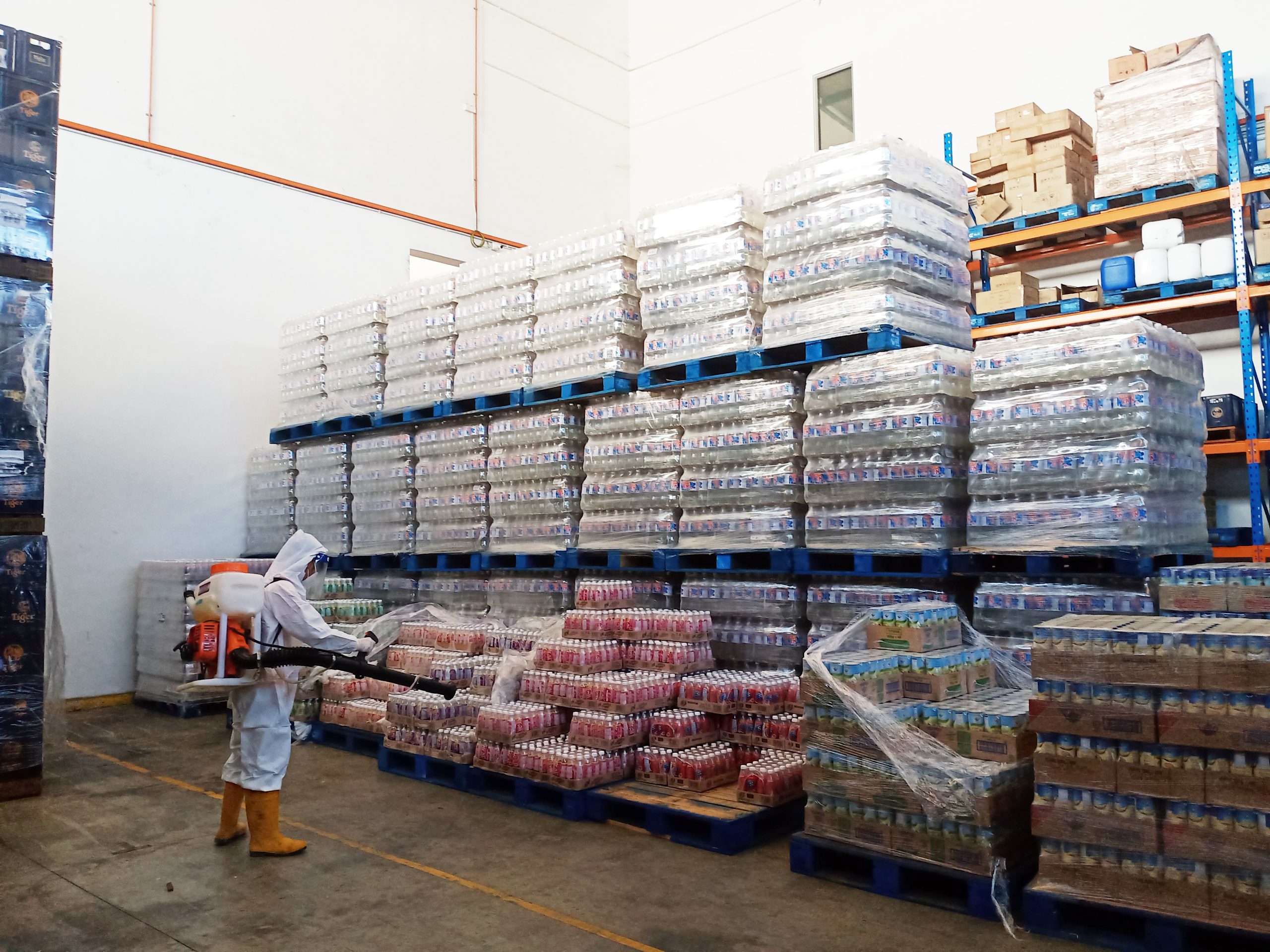
Warehouses across Malaysia store food products, raw materials, electronics, furniture, and many other goods. These spaces remain busy each day, with trucks arriving, doors opening, staff moving stock, and pallets stacking high. However, this constant movement creates easy access for pests. Heat, moisture, and stored goods invite rodents, insects, and termites to settle inside.
Because of these risks, many businesses now depend on pest control services to protect their facilities. A proper strategy does more than remove pests. It shields stock, guards buildings, and secures business reputation. This guide explains why warehouses face high pest pressure, how to detect warning signs, and what long-term measures defend your storage space.
What is Warehouse Pest Management and Why It Matters
Warehouse pest management refers to a structured system that prevents, controls, and monitors pests in large storage environments. It combines inspection, sanitation, structural repair, and targeted treatments into one clear plan.
Unlike small buildings, warehouses cover wide floor areas with tall racks and deep corners. Therefore, pests can hide with ease. Rodents can damage cables, while insects and termites pose serious risks which leading to potential financial loss.
Moreover, food safety laws demand strict hygiene standards. If pests contaminate products, businesses may face penalties or lose contracts. Customers expect clean storage conditions. A single incident can damage trust built over years.
A strong pest management plan protects:
- Stored goods from contamination
- Building structures from damage
- Workers face health risks
- Business reputation from harm
In addition, regular monitoring helps detect issues before they spread. Early action costs less than large repairs. Therefore, prevention remains the core of effective pest management.
Why Warehouses in Malaysia Face High Pest Risks
Malaysia’s tropical climate creates ideal breeding grounds for pests. Warm temperatures last throughout the year. Humidity remains high. Rainfall drives rodents to seek shelter indoors.
However, climate alone does not explain the risk. Warehouse design and daily operations also attract pests.
Climate and Environment
Heat speeds up insect life cycles. Cockroaches multiply within weeks. Ant colonies expand across floors. Termites remain active without a seasonal pause. Consequently, infestations can grow without warning.
Large Storage Layouts
Warehouses often include:
- High shelving units
- Dark corners
- Unused storage zones
- Hidden roof spaces
These areas offer shelter where pests move without detection. Poor lighting allows rodents to travel across beams and ceilings.
Constant Movement of Goods
Loading bays open several times each day. Trucks transport items from various regions. As a result, pests may enter through open doors or hide within deliveries. Even sealed cartons can carry insect eggs.
Packaging Materials
Cardboard, plastic wrap, and wooden pallets attract pests. Rodents use cardboard for nesting. Termites feed on untreated wood. Therefore, poor storage practices increase exposure.
Because of these combined factors, warehouse managers must stay alert. Ignoring risks allows small issues to become costly problems.
Key Signs You Need Warehouse Pest Management Services
Pests leave clear traces before infestations grow severe. Recognising these signs helps managers respond without delay.
Look for:
- Droppings near walls or shelving
- Gnawed wires or damaged cartons
- Small holes in the packaging
- Mud trails along concrete surfaces
- Shed insect wings near windows
- Unusual smells in closed spaces
In addition, staff may hear scratching sounds at night. Rodents often roam after sunset when activity slows.
If you notice one sign, investigate at once. Rodents breed quickly. Termites hollow out wooden beams from the inside. Insects spread across aisles within days. Therefore, swift action protects stock from loss.
Early detection allows professionals to inspect the facility, locate nesting points, and then design a targeted plan. This approach stops pests at their source rather than treating surface symptoms.
Effective Warehouse Pest Control Solutions for Long-Term Protection
Short-term spraying may kill visible insects. However, it fails to prevent a return. True protection demands structured warehouse pest control solutions that focus on both prevention and control.
Thorough Inspection
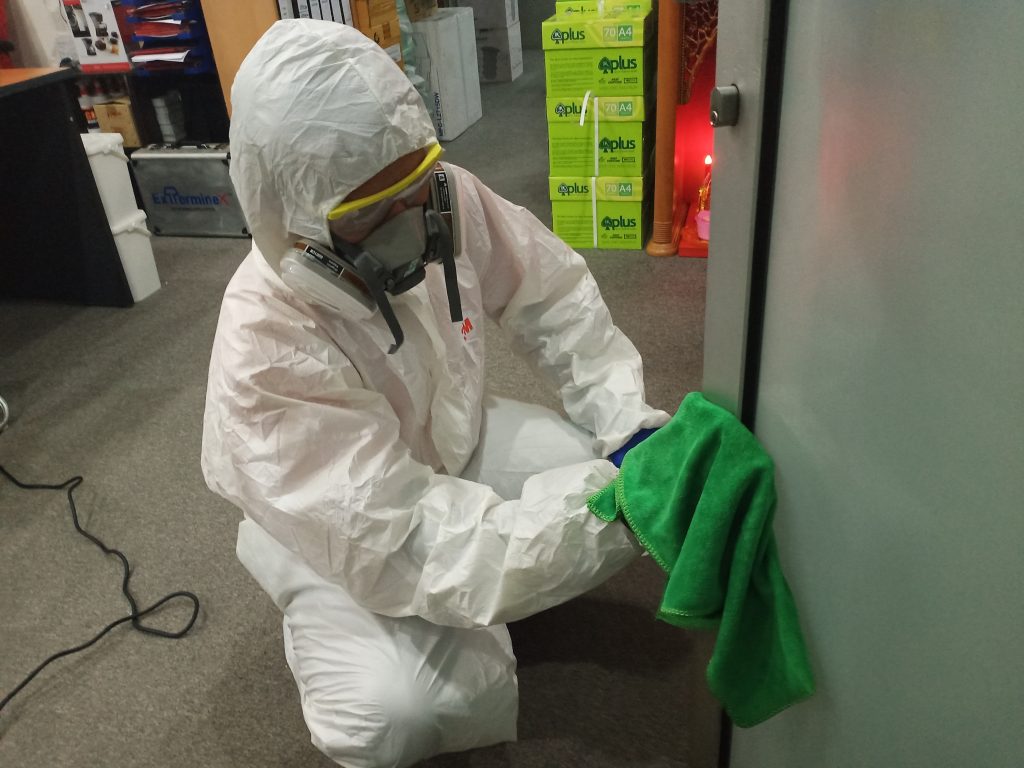
Experts begin by surveying the entire warehouse. They inspect floors, ceilings, drains, loading bays, and storage racks. This step identifies entry points and nesting zones.
Structural Sealing
After inspection, technicians seal cracks, repair broken door sweeps, fix ventilation gaps, and strengthen vulnerable areas. Blocking access reduces future invasion.
Hygiene Management
Clean storage areas discourage pests. Staff should:
- Remove food waste without delay
- Keep aisles free from spills
- Store goods off the floor
- Rotate stock to avoid long-term storage
These habits remove food sources that attract insects or rodents.
Targeted Treatments
Professionals apply treatments based on pest type. For rodents, they place bait stations in strategic zones. For termites, they treat soil or wooden elements. For insects, they use approved control methods that protect goods.
Monitoring and Reporting
Regular inspections track pest activity. Monitoring devices alert teams to new risks. Reports help managers understand patterns and respond before damage spreads.
When businesses adopt structured warehouse pest control solutions, they create a protective barrier around stock and structure. Over time, consistent monitoring reduces recurrence and strengthens safety standards.
Benefits of Professional Warehouse Pest Control in Malaysia
Some businesses attempt to manage pests alone. However, without expert knowledge, infestations often return. Professional teams bring experience, tools, and planned systems that deliver lasting protection.
Key advantages include:
- Reduced product loss
- Protection of building integrity
- Safer work environment
- Compliance with safety regulations
- Greater confidence among clients
Moreover, experts understand local pest behaviour in Malaysia. They assess climate patterns, building design, and storage layout before recommending treatment. This tailored approach produces better results.
A structured programme also reduces emergency disruptions. Instead of reacting to infestations, managers follow scheduled inspections and preventive measures. As a result, warehouse operations remain smooth.
Most importantly, reliable warehouse pest management services protect business reputation. Clients value clean storage facilities. Consistent pest control strengthens trust across supply chains.
How to Choose the Right Warehouse Pest Management Company in Malaysia
Choosing the right pest management partner protects your warehouse, stock, and reputation. Since warehouses face complex risks, you need a team that understands large storage environments.
Here is what you should look for:
- Proven warehouse experience
Select a company that works with industrial facilities, not just homes or small shops. Large storage areas require special planning and control methods. - Detailed inspection process
A reliable provider conducts a full site survey before suggesting treatment. They identify entry points, nesting zones, and risk areas. - Customised treatment plans
Avoid one-size-fits-all solutions. Your warehouse layout, stock type, and environment demand a tailored strategy. - Safe and compliant methods
Ensure the company follows Malaysian safety regulations. Treatments must protect staff and stored goods. - Ongoing monitoring support
Pest control does not end after one visit. Regular inspections and reporting keep risks under control.
If you seek a trusted partner, Skill Termite stands ready to support your warehouse needs. We deliver structured inspections, precise treatments, and consistent monitoring to protect your facility. Choose wisely to secure long-term protection. We help you guard your warehouse with confidence and care.
Conclusion
Warehouses in Malaysia face constant pest threats due to the climate, storage conditions, and steady movement of goods. Small warning signs can escalate into serious damage if managers ignore them. Therefore, prevention must remain a priority.
A structured system that combines inspection, sanitation, sealing, treatment, and monitoring creates strong defence. Effective warehouse pest control solutions safeguard stock, protect structures, and support compliance with health rules. When businesses invest in dependable warehouse pest management services, they secure long-term protection for goods, staff, and reputation.
Pest management is not a one-time task. It represents an ongoing commitment to safety and quality. With the right plan in place, warehouses can operate with confidence while maintaining high standards across every level of storage and distribution.